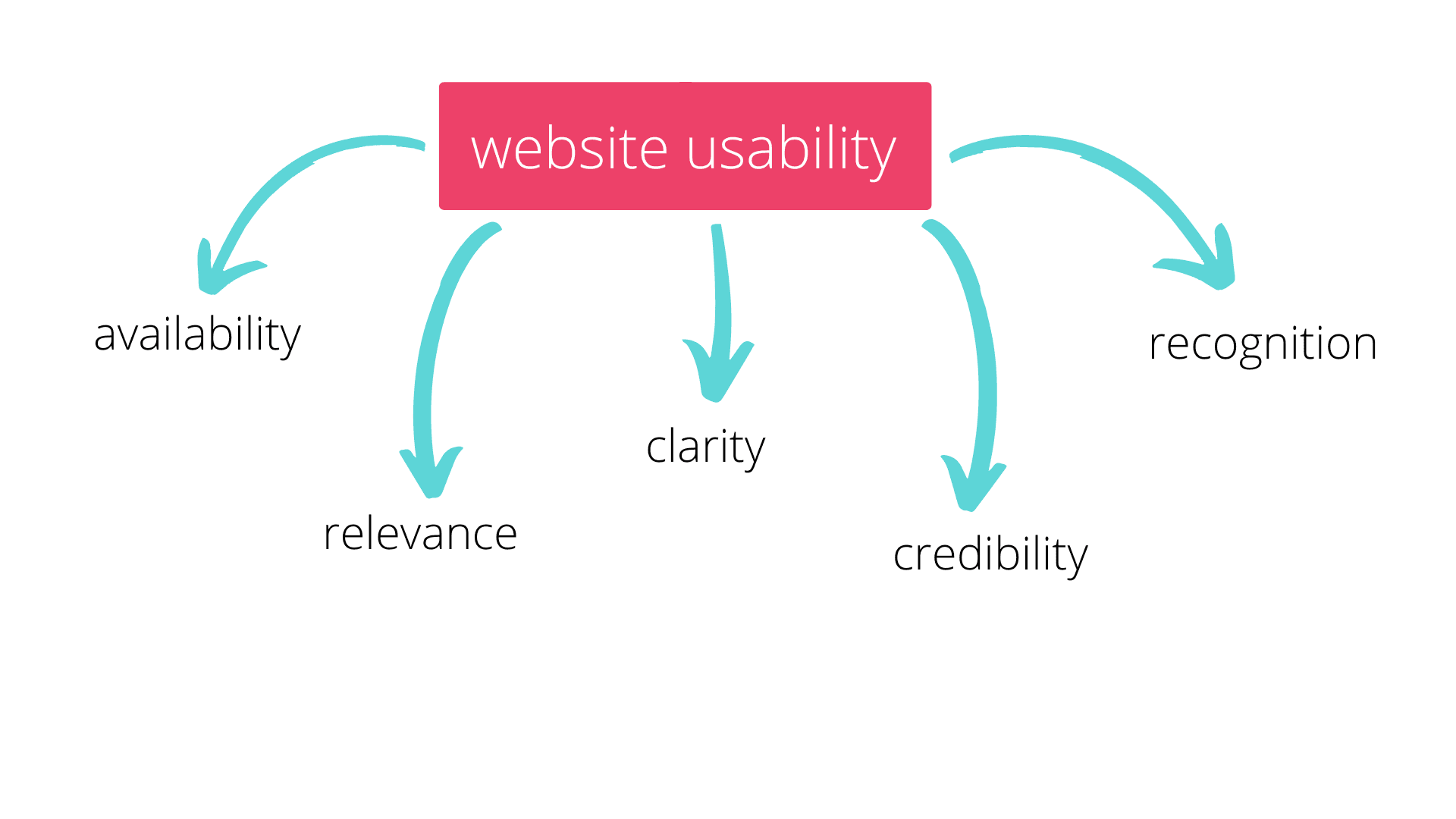
10 Essential Principles of Usability That Will Transform Your Website
Usability is crucial for enhancing user experience on your website. Here are 10 essential principles that will truly transform your online presence:
- Clarity: Ensure that your website communicates its purpose clearly to avoid confusion.
- Efficiency: Design your navigation to be intuitive, allowing users to find what they need quickly.
- Consistency: Maintain uniformity in layout, color schemes, and typography to create a coherent user experience.
- Feedback: Provide users with feedback during interactions, such as confirming actions or guiding them through processes.
When you implement these principles, you’re enhancing the chances that visitors will stay on your site longer and return in the future. Additionally, remember the following principles as you refine your website's usability:
- Accessibility: Ensure that your site is usable for people with disabilities, adhering to web accessibility standards.
- Flexibility: Adapt your site to meet various user needs and preferences.
- Control: Give users control over their interactions, minimizing unwanted interruptions.
- Engagement: Use engaging content to keep users interested and encourage exploration of your site.
- Testing: Regularly test your site with real users to identify pain points and areas for improvement.
Is Your Website User-Friendly? 5 Key Usability Tests to Conduct
When assessing whether your website is user-friendly, conducting usability tests is essential in understanding how real users interact with your site. A user-friendly website not only attracts visitors but also retains them, enhancing conversion rates. Start by performing a usability test with real users, organizing their feedback based on specific tasks. By observing users as they navigate your site, you can identify bottlenecks and areas for improvement. Remember, the ultimate goal is to ensure that users can easily find the information they seek without frustration.
Here are five key usability tests to help you determine the friendliness of your website:
- Task Success Rate: Measure how many users can complete tasks successfully.
- Time on Task: Track how long it takes for users to finish specific tasks.
- Error Rate: Analyze the number of mistakes users make while navigating.
- User Satisfaction: Use surveys to gauge user satisfaction with their experience.
- Retention Rate: Monitor how many repeat visitors return to your website.
The Impact of Usability on Conversion Rates: What Every Website Owner Should Know
Usability plays a crucial role in determining conversion rates for any website. When a site is easy to navigate and user-friendly, visitors are more likely to stay longer and engage with the content. Key factors affecting usability include page load times, intuitive design, and accessibility features. Websites that load quickly can reduce bounce rates and encourage exploration, while clear navigation helps users find what they are looking for without frustration. Implementing usability best practices can lead to higher customer satisfaction, ultimately boosting conversion rates.
Moreover, the importance of usability can be highlighted through several key elements that directly influence user behavior. For example, consider the following:
- Clear Call-to-Action (CTA): Placing prominent CTAs ensures users know exactly what action to take.
- Mobile Optimization: As mobile traffic increases, websites must be equally usable on smaller screens.
- Effective Content Layout: Information should be organized logically, making it easy for users to digest and respond.
Focusing on these aspects not only enhances usability but also drives higher conversion rates, making it imperative for every website owner to prioritize usability in their design strategies.